
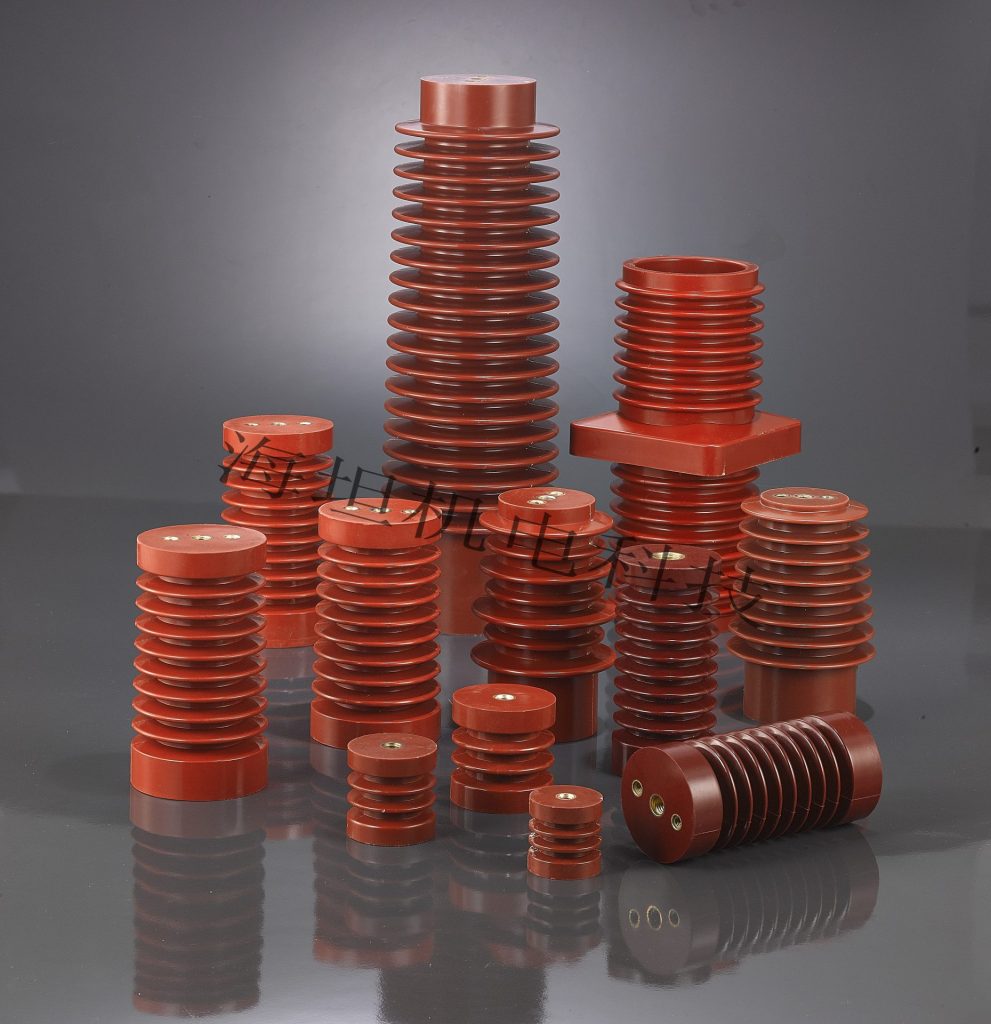
Future Trends in Electrical Insulation Materials and Wire Management Solutions
Introduction
As electrical systems evolve toward higher efficiency, compact design, and digital integration, the demand for advanced insulation materials and smarter wire management solutions is growing rapidly. From industrial automation to renewable energy and smart grids, the next generation of electrical infrastructure depends heavily on innovation in these two critical areas.
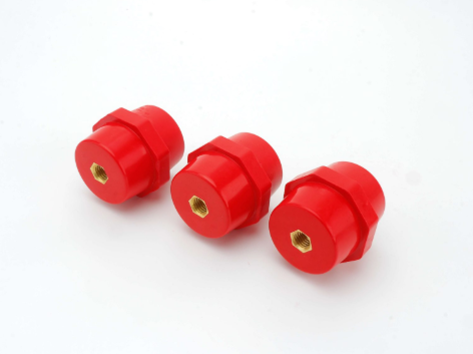
High-Performance Composite Materials
Traditional insulation materials are being replaced or enhanced by advanced composites that offer superior performance.
Key developments:
Improved DMC (Dough Molding Compound) and SMC (Sheet Molding Compound) formulations
Glass fiber and mineral reinforcement for added strength
Hybrid materials combining electrical and thermal advantages
Benefits:
Higher dielectric strength
Better resistance to heat, moisture, and chemicals
Longer service life under demanding conditions
These materials are particularly valuable in high-load applications such as switchgear, transformers, and EV charging systems.
Eco-Friendly and Sustainable Insulation Solutions
Sustainability is becoming a major focus in electrical component design and manufacturing.
Emerging trends:
Halogen-free and low-smoke materials
Recyclable and biodegradable insulation compounds
Reduced emissions during production processes
Why it matters:
Compliance with global environmental regulations (RoHS, REACH)
Improved fire safety and reduced toxic emissions
Alignment with green energy initiatives
Manufacturers are increasingly prioritizing environmentally responsible materials without compromising performance.
Miniaturization and High-Density Design
Modern electrical systems are becoming more compact, especially in urban infrastructure and advanced equipment.
Key innovations:
Low-profile busbar insulators and supports
Compact cable routing systems
Integrated wire holders with multi-functional designs
Impact:
Higher power density in smaller spaces
Reduced installation footprint
Improved system efficiency
This trend is essential for applications such as data centers, electric vehicles, and smart buildings.
Smart Insulation and IoT Integration
Electrical insulation is evolving from a passive component into an intelligent system.
Technologies to watch:
Embedded temperature and humidity sensors
Partial discharge detection systems
IoT-enabled monitoring platforms
Advantages:
Real-time performance monitoring
Predictive maintenance
Reduced downtime and operational risk
Smart insulation solutions are playing a key role in the development of digitalized power systems and smart grids.
Advanced Surface Engineering
Surface performance is critical for long-term insulation reliability, especially in harsh environments.
Innovations include:
Anti-tracking and anti-erosion coatings
Hydrophobic surface treatments
UV-resistant and corrosion-resistant finishes
Benefits:
Enhanced resistance to pollution and moisture
Lower risk of electrical leakage and flashover
Extended product lifespan
These improvements are particularly important for outdoor and high-contamination environments.
Flexible and Modular Wire Management Systems
Wire management solutions are becoming more adaptable to complex system designs.
Key trends:
Modular cable trays and routing systems
Tool-free installation designs
Adjustable and reusable wire holders
Benefits:
Faster installation and maintenance
Easier upgrades and system modifications
Reduced labor costs
Flexibility is crucial in industries where systems frequently evolve, such as automation and renewable energy.
High-Temperature and Fire-Resistant Materials
As electrical loads increase, so do thermal management challenges.
Innovations:
High-temperature-resistant polymers
Flame-retardant insulation materials
Fire-resistant cable management systems
Impact:
Improved safety in high-risk environments
Compliance with stricter fire protection standards
Greater reliability in extreme operating conditions
These materials are essential for industries such as railways, energy, and heavy manufacturing.
Customization and Application-Specific Design
The future of insulation and wire management lies in tailored solutions.
Customization options:
Application-specific shapes and dimensions
Integrated components (e.g., busbar supports with wire holders)
Industry-specific material formulations
Benefits:
Better system compatibility
Optimized performance
Reduced installation complexity
Manufacturers that offer customization will have a competitive advantage in meeting diverse industry needs.
Automation and Precision Manufacturing
Manufacturing processes are evolving to support higher quality and consistency.
Key advancements:
Automated molding and assembly lines
AI-driven quality inspection
Real-time process monitoring
Results:
Consistent product quality across batches
Reduced defects and material waste
Faster production cycles
Precision manufacturing ensures that advanced materials deliver their full performance potential.
Conclusion
The future of electrical insulation materials and wire management solutions is defined by innovation, sustainability, and intelligence. As power systems become more complex and interconnected, the need for high-performance, reliable, and adaptable components will only continue to grow.
From advanced composite materials and eco-friendly solutions to smart monitoring and modular designs, these trends are shaping the next generation of electrical infrastructure. For businesses and engineers, staying ahead of these developments is essential to building safer, more efficient, and future-ready systems.
FAQ
1. What is the most important trend in electrical insulation materials?
Advanced composite materials and eco-friendly solutions are among the most significant trends.
2. How is IoT changing insulation systems?
IoT enables real-time monitoring and predictive maintenance, improving reliability and reducing downtime.
3. Why is miniaturization important in wire management?
It allows higher power density and more efficient use of space in modern electrical systems.
4. Are sustainable insulation materials as reliable as traditional ones?
Yes, modern sustainable materials are designed to meet or exceed performance standards.
5. What industries benefit most from these innovations?
Industries such as renewable energy, electric vehicles, smart grids, and industrial automation benefit the most.
--- END ---
 E-mail: [email protected]
  No. 20 Lingyun Road, Dongfeng
Industrial Zone, Liushi Town, Yueqing
City,Zhejiang Province


© Copyright 2024 China Haitan Electromechanical Technology Co., Ltd. All rights reserved.SUPPORT BY:JUNJ Privacy Policy
 English (United States)
  English (South Africa)
  Arabic
  Belarusian
  Bengali
  Japanese
  Kazakh
  Korean
  Myanmar
  Russian
  Thai
Thai  Ukrainian
  Uzbek
Uzbek  Vietnamese
  Chinese